

Look up. What do you see? From radio astronomy to solstice calendars, Indigenous peoples look to the sky for timing, meaning, and beauty. Makowa: The Worlds Above Us juxtaposes ways of seeing, noticing, and understanding the skies and the beings in them. Told through stories of an ever-changing world, the exhibition connects science, stories, and observations.
For Indigenous peoples of the Southwest, observing the sky brings joy, information, and a connection to the worlds above us.

The stars and stripes of the American flag are found everywhere today, including on clothing, billboards, and bumper stickers. In the late nineteenth century some Native American artists began to incorporate the flag into their work. Given the United States government’s treatment of Native peoples, the flag may seem an unusual design choice. However, its use carried meaning as a survival strategy, a warrior’s mark of honor, a symbol of protection, or an emblem of resistance.
While use of the flag in Native art is a reminder of the painful history of colonization, displacement, and oppression, it also represents the long tradition of pride in military service. From the realistic to the abstract, images of the flag can be found in traditional art forms and contemporary artistic expressions. Each generation interprets the flag to fit its own narrative as part of an ongoing dialogue about identity, sovereignty, and cultural revitalization
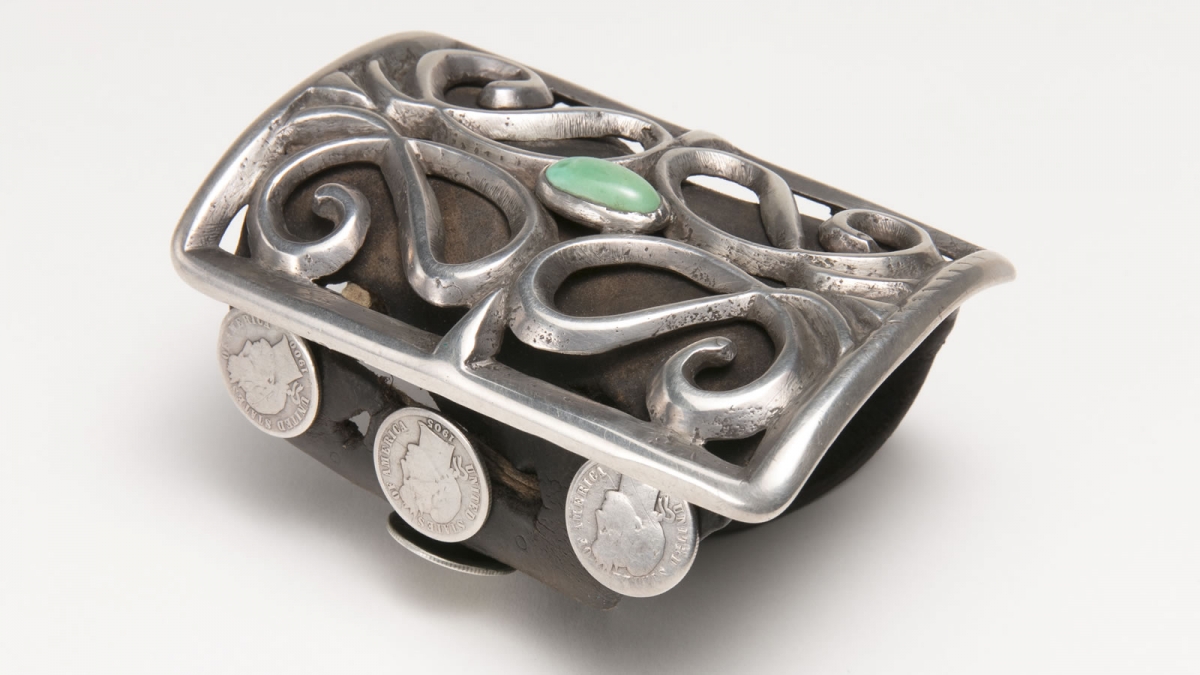
Here, Now and Always centers on the voices, perspectives, and narratives of the Indigenous peoples of the American Southwest.
This groundbreaking exhibition features more than six hundred objects from the museum’s extraordinary collection of ceramics, jewelry, paintings, fashion, and more.


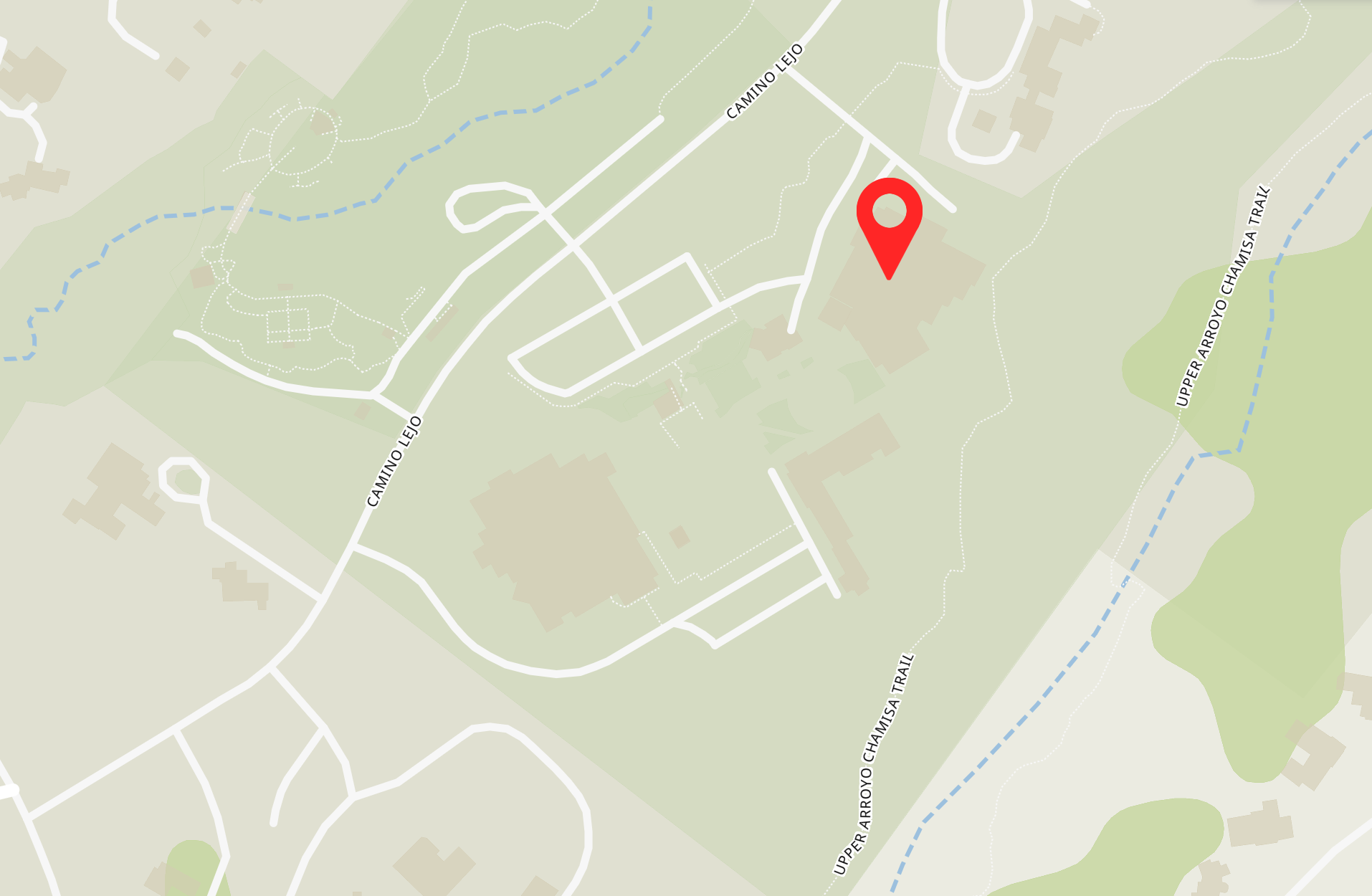
The Museum is located at 710 Camino Lejo off Old Santa Fe Trail on Museum Hill in Santa Fe, New Mexico.
| Day | Hours |
|---|---|
| SUN | 10-5 |
| MON | CLOSED |
| TUE | 10-5 |
| WED | 10-5 |
| THU | 10-5 |
| FRI | 10-5 |
| SAT | 10-5 |
From November through April, the museum is closed on Mondays.
| Type | New Mexico Resident* | Non Resident |
|---|---|---|
| Adult |
$7
Free on First Sundays*
|
$12 |
| Seniors 60 & up |
$7
NM residents Free on Wednesdays
|
$12 |
| Students |
$7
|
$12 |
| Kids 16 and under |
Free
|
Free |
| Members |
Free
|
Free |